Stamped Concrete vs. Pavers for Commercial Properties: Pros and Cons
Commercial property owners seeking durable, attractive surfaces often turn to local contractors who can expertly install stamped concrete or pavers, helping them choose the best option for their needs.
Choosing the right surface for a commercial property’s outdoor space can significantly impact its appearance, functionality, and long-term maintenance needs. Property owners in the area often explore options like stamped concrete and pavers to find solutions that balance durability with visual appeal. Understanding the advantages and disadvantages of each can help make informed decisions that align with project goals and operational demands. Local contractors specializing in stamped concrete installation are well-versed in how this versatile material can enhance commercial landscapes, offering insights into its suitability alongside other surface options like pavers.
As property owners evaluate stamped concrete vs. pavers for commercial properties: pros and cons, practical considerations such as installation complexity, longevity, and design flexibility come into focus. Local service providers can assist in assessing how these options perform under various conditions and usage levels, ensuring the chosen solution meets both aesthetic and functional needs. Continuing to explore these differences can lead to a more confident selection that complements the property's overall environment and future maintenance plans.
- Commercial stamped concrete installation may be ideal for projects requiring durable, decorative surfaces that mimic high-end materials, with local contractors emphasizing quick, long-lasting results.
- Pavers installation for commercial properties suits areas needing modular, easily repairable surfaces, with local service providers focusing on custom patterns and ease of maintenance.
- Stamped concrete services are often chosen for high-traffic areas where a seamless, uniform appearance is desired, with local pros offering expert surface preparation and finishing.
- Paver installation is preferred for projects prioritizing flexibility and future adjustments, with local contractors tailoring designs to specific aesthetic and functional needs.
- Comparing stamped concrete vs. pavers for commercial properties involves assessing factors like durability, appearance, and repairability, with local pros providing guidance based on project requirements.
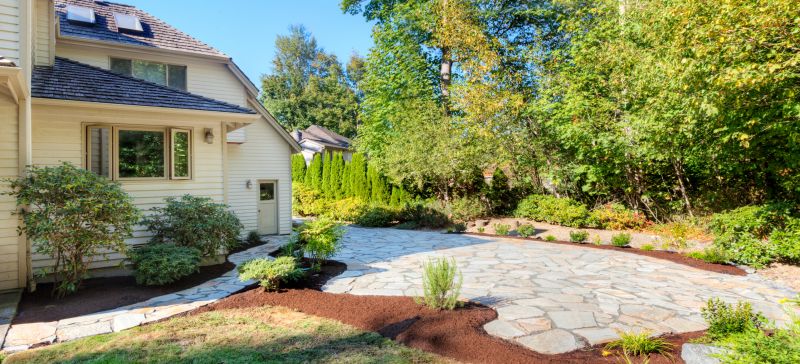
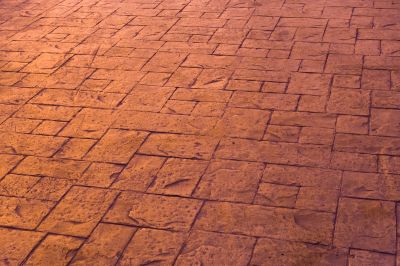
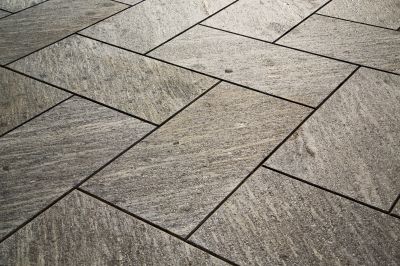
When people search for stamped concrete vs. pavers for commercial properties: pros and cons, they are often exploring options for enhancing outdoor spaces such as parking lots, walkways, patios, or entryways. These searches typically relate to plans for improving curb appeal, increasing durability, or creating a specific aesthetic that aligns with the business’s branding. Property managers, business owners, or facility managers might be considering these options to better accommodate foot traffic, vehicle access, or outdoor events. Understanding the differences between these two materials helps in making informed decisions that match the project’s functional needs and visual goals, especially when working with experienced commercial contractors who specialize in stamped concrete installation or paver installation.
Many commercial properties come up in discussions about stamped concrete vs. pavers because of their diverse applications. Retail centers, office complexes, restaurants, and industrial sites often require durable, low-maintenance surfaces that can withstand heavy use. These types of properties are also concerned with long-term performance and appearance, which makes choosing the right material important. For example, stamped concrete can provide a seamless, decorative surface that mimics natural stone or brick, making it appealing for high-traffic areas where visual impact matters. On the other hand, pavers are favored for their ease of repair and customization, especially in spaces where flexibility and drainage are priorities. Local contractors experienced in commercial projects can help property owners evaluate which material best suits the specific needs of their property.
The decision between stamped concrete and pavers often involves considering the specific problems or plans associated with the project. For instance, if a property needs a continuous, smooth surface that minimizes tripping hazards and allows for easy cleaning, stamped concrete might be preferred. Conversely, if there’s a concern about future repairs or modifications, pavers can be advantageous because individual units can be replaced without disturbing the entire surface. Additionally, properties located in areas with freeze-thaw cycles may benefit from the flexibility of pavers, which can expand and contract without cracking. Commercial contractors who specialize in stamped concrete installation or paver installation can assess these factors and recommend solutions that align with the property’s operational demands and aesthetic preferences.
Commonly, the types of properties that come up in discussions about stamped concrete vs. pavers are those seeking durable, attractive outdoor surfaces that support commercial activity. Parking lots, outdoor dining areas, walkways, and plazas are typical examples. These properties often require surfaces that can handle constant use while maintaining a professional appearance. The choice between stamped concrete and pavers influences not only the visual appeal but also the maintenance requirements and longevity of the surface. Local service providers experienced in commercial applications understand these considerations and can help property owners select and install the most suitable material, ensuring the finished surface meets both functional and aesthetic expectations over time.
Concrete finishing projects - professionals skilled in stamped concrete can also handle decorative concrete finishes for walkways and patios in commercial settings, similar to paver installation techniques.
Paving and surfacing projects - local contractors experienced in paver installation often perform site preparation and base work that is essential for both stamped concrete and paver surfaces.
Landscape hardscaping - designing and installing features like outdoor seating areas or planters involves planning and skill sets common to stamped concrete and paver projects.
Concrete repair services - repair specialists who work on stamped concrete surfaces can also address cracks and damage in paver installations, requiring similar planning and materials.
Driveway and parking lot paving - contractors familiar with paving techniques can adapt their skills to installing stamped concrete overlays or paver systems for commercial properties.
Surface sealing and coating - professionals applying sealers for decorative concrete also work with paver sealants, ensuring longevity and appearance for both surface types.
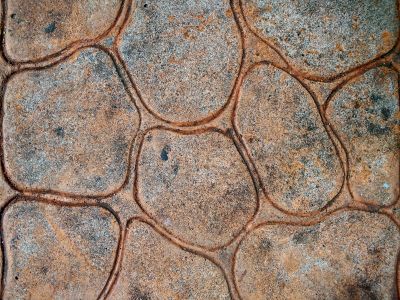
When evaluating service providers for commercial stamped concrete installation or paver installation, it is essential to consider their experience with similar projects. Contractors who have successfully completed work on properties comparable in size, scope, and design can offer insights into what to expect and how to handle potential challenges specific to stamped concrete vs. pavers for commercial properties. Reviewing a contractor’s portfolio or asking for references related to comparable projects can provide a clearer picture of their expertise and familiarity with the unique requirements of commercial applications. This background helps ensure that the chosen service provider understands the nuances of each material and can deliver results aligned with the property's needs.
Clear written expectations are a crucial aspect when comparing local contractors for stamped concrete or paver work. A reputable service provider will be able to articulate the scope of work, materials used, and the anticipated process in a detailed and understandable manner. Having these expectations documented helps prevent misunderstandings and ensures that both parties are aligned on project deliverables. When considering contractors, it’s beneficial to inquire about their approach to planning, timelines, and how they handle potential issues that might arise during installation, especially when choosing between stamped concrete and pavers for commercial spaces.
Effective communication and reputable references are key indicators of a dependable contractor. Good communication involves prompt responses to inquiries, transparency about procedures, and a willingness to address questions or concerns throughout the project. Additionally, seeking references from previous clients who have had similar commercial installations can reveal insights into the contractor’s reliability, professionalism, and quality of work. These factors are especially important when considering stamped concrete vs. pavers for commercial properties, as the decision often involves long-term durability and aesthetic considerations. Choosing a service provider known for clear communication and positive references can contribute to a smoother installation process and satisfactory results.
Property owners often search for stamped concrete vs. pavers for commercial properties: pros and cons when they are planning practical projects around their homes and businesses. Local pros provide Commercial Stamped Concrete Installation services for everyday jobs and straightforward project options.
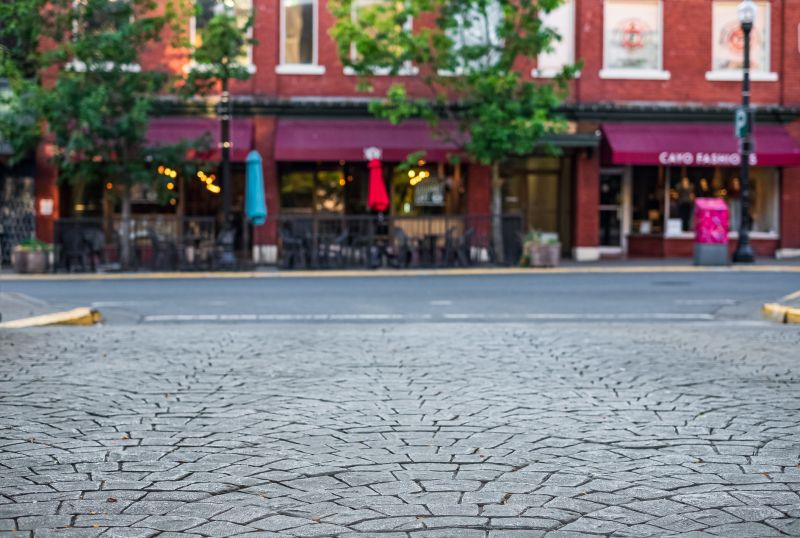
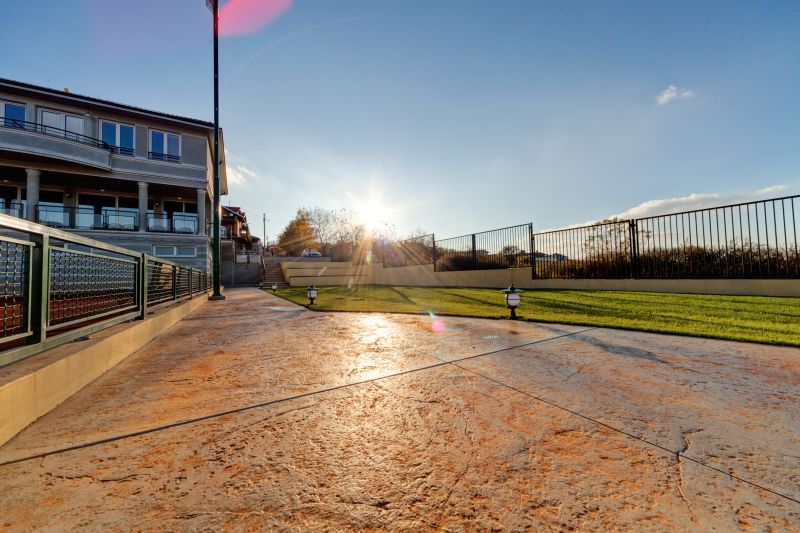
When considering stamped concrete versus pavers for a commercial property, many property owners in the area look into the durability and maintenance needs of each option. Stamped concrete offers a seamless surface that can mimic the look of stone or brick, making it a popular choice for high-traffic areas like walkways, patios, or entryways. Local contractors who specialize in stamped concrete installation can help evaluate how well this material holds up against daily wear, spills, and weather conditions common in the area. On the other hand, pavers are often favored for their ease of repair and ability to be replaced individually if damaged, which can be a practical benefit for commercial sites that require minimal disruption. Service providers experienced in paver installation can advise on how to achieve a stable, attractive surface that withstands the demands of busy commercial environments.
Property owners searching for durable, visually appealing solutions might weigh the pros and cons of stamped concrete versus pavers based on installation complexity and long-term upkeep. In many cases, local contractors can explain how stamped concrete provides a uniform, low-maintenance surface that resists cracking, which is helpful for areas with heavy foot or vehicle traffic. Conversely, pavers can offer a more flexible surface that allows for expansion and contraction, reducing the risk of cracks over time. For commercial properties, choosing between these options often depends on factors like aesthetic preferences, expected usage, and how much ongoing maintenance is manageable. Consulting with experienced service providers can help property owners make an informed decision tailored to their specific needs.
What are the main differences between stamped concrete and pavers for commercial properties? Stamped concrete offers a seamless surface that can mimic various textures and patterns, while pavers consist of individual units that can be arranged in different designs. Local contractors can help determine which option best suits the specific needs of a commercial property based on durability and aesthetic preferences.
How does maintenance compare between stamped concrete and pavers? Stamped concrete typically requires periodic sealing to maintain its appearance, whereas pavers may need occasional repositioning or replacement of individual units. Service providers can advise on ongoing upkeep and help with maintenance tasks for each surface type.
Are stamped concrete or pavers more durable for high-traffic commercial areas? Both options can be durable; stamped concrete is resistant to cracking if installed properly, while pavers can shift over time but are easy to replace. Local contractors can assess the specific traffic conditions to recommend the most suitable surface.
Can stamped concrete or pavers be customized to match a commercial property's branding or design? Yes, stamped concrete can be customized with various colors and patterns to mimic other materials, and pavers come in numerous shapes, colors, and arrangements. Service providers can help design a surface that aligns with the property's aesthetic goals.
Which surface type is easier to install for commercial properties? Stamped concrete generally offers a quicker installation process, while pavers may take longer due to individual placement. Local contractors can evaluate the site and project scope to recommend the most efficient option for installation.
Assess durability needs - property owners can evaluate whether stamped concrete or pavers better withstand high foot traffic and heavy equipment for their commercial spaces with guidance from local contractors.
Plan for aesthetic consistency - choosing between stamped concrete and pavers can be based on the desired look and how easily each option complements existing architecture, with local pros offering design advice.
Consider installation complexity - property managers might decide on stamped concrete or pavers depending on project size and site conditions, with local installation experts providing practical insights.
Evaluate maintenance requirements - selecting between stamped concrete and pavers involves understanding cleaning and upkeep needs, which local service providers can help clarify for ongoing property management.
If you are thinking about stamped concrete vs. pavers for commercial properties: pros and cons for a property, this guide is meant to help you understand this topic, the typical project types, and how different options might fit your plans.
When you are ready, you can use the quote form on this page to share a few details about your project. From there, local pros can review the basics and follow up with options that match what you have in mind.